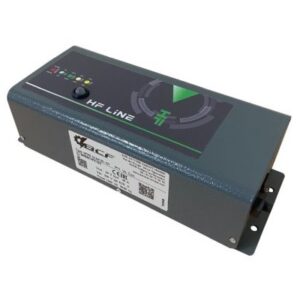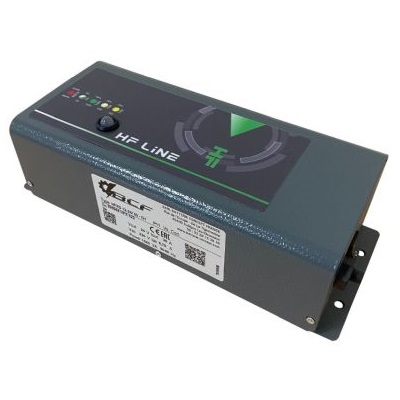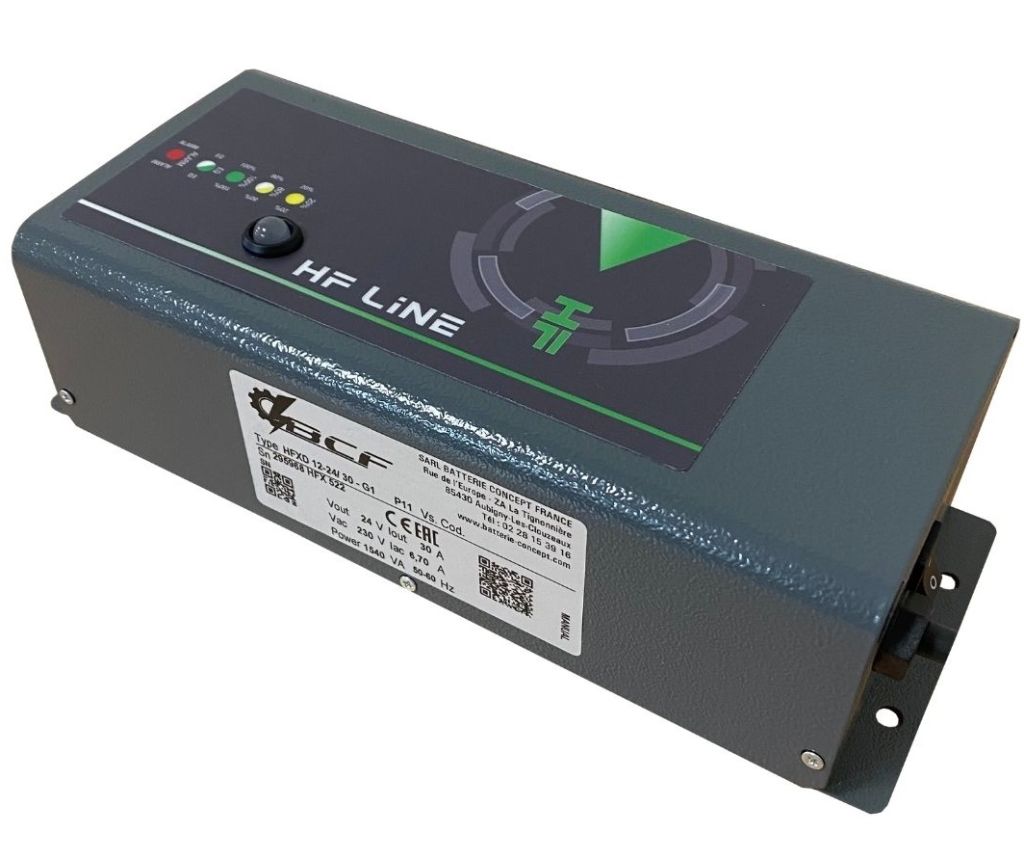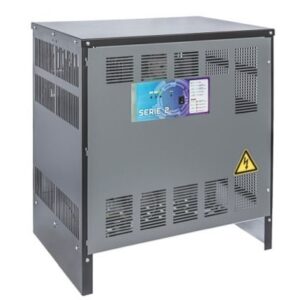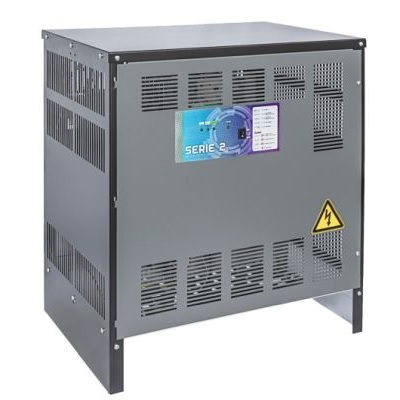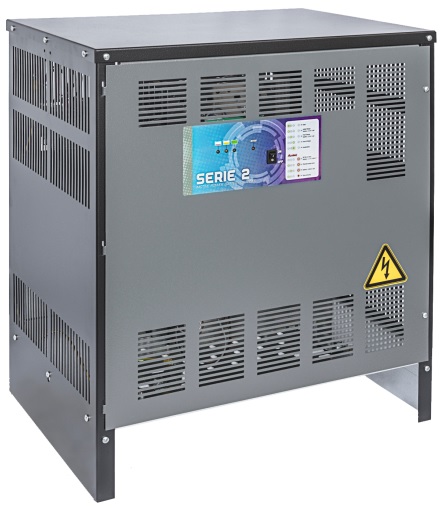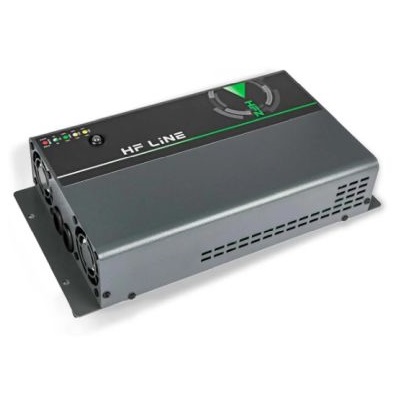
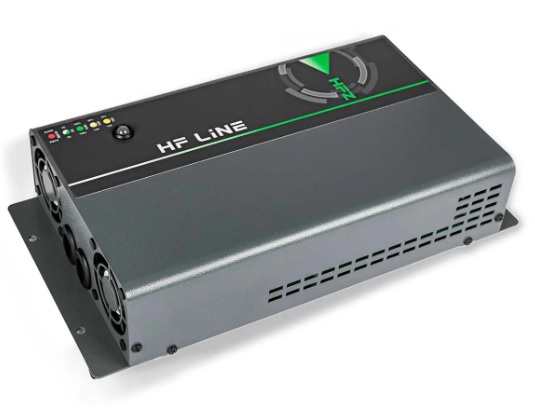
Description
The charger is sold without battery forks!
We always recommend using these chargers in high-intensity conditions: when working 2-3 shifts per day or in aggressive conditions (e.g. in a fridge).
High-frequency chargers differ from standard chargers both in technology and charging profile (algorithm). Technologically, they have a high-frequency transformer, resulting in a much smaller footprint. In addition, the current rectification is also technologically implemented on a different principle, so that in reality every step of the charger's operation (i.e. from voltage step-down to current rectification) can be fully controlled, allowing the use of a variety of charging profiles.
However, it should be noted that the use of all these advantages only makes sense when working more than 1 shift per day: in this way, one can expect to save about 15% in energy costs and hope to keep the battery life as long as possible.
The algorithm of high-frequency chargers differs in particular in that they try to maintain a moderate constant charging current in the 1st charging phase until the gaseous phase is reached (i.e. when electrolysis of the electrolyte starts due to the minimum required current density in the battery being reached at the time of charge). High frequency chargers therefore operate at lower currents, which is much „healthier” for the battery when working in multiple shifts (for a number of technological reasons) and results in a faster charge, as the average shows that the battery has reached a higher kWh in the same amount of time than with a conventional charger. In addition, it has been delivered in a more technologically efficient way. It is true that 3-phase high-frequency chargers work with a slightly different algorithm - a linearly decreasing current principle in the 1st charging phase - so it is always necessary to assess the circumstances of the specific algorithm required for a particular battery.
ATIB also provides a wide range of possible charging algorithms for different types of batteries - acid, gel, even lithium-ion, and it is possible to adjust charging profiles according to the manufacturer's requirements and the aggressiveness of the working conditions (i.e. when working in cold or hot conditions), etc.
It is also important to note that high-frequency chargers are technologically different from current inverters and can only be used to charge acid or gel batteries!